
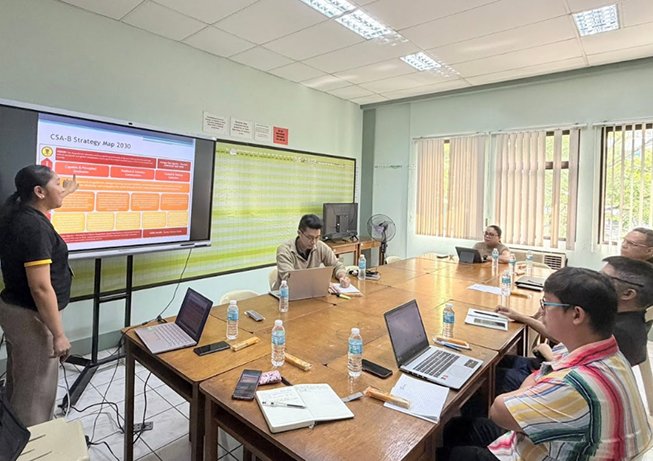
Description: Studies related to CSA-B Vision-Mission, including partnership of the college with the local Church towards the New Evangelization.
Probable Researches: Impact Studies on Augustinian Education, the Church and Social Issues
Description: This research priority area involves management of educational programs & services within the context of the 21st century; teaching & learning strategies & delivery systems appropriate to innovations in the curriculum such as K-12; Performance-Based/Competency-Based Teaching.
Probable Researches: Teaching Beliefs, Self-Efficacy & Practices of Faculty Members; Teaching practices; School initiatives towards excellence in education; Transition to College; Internet Applications in Instruction

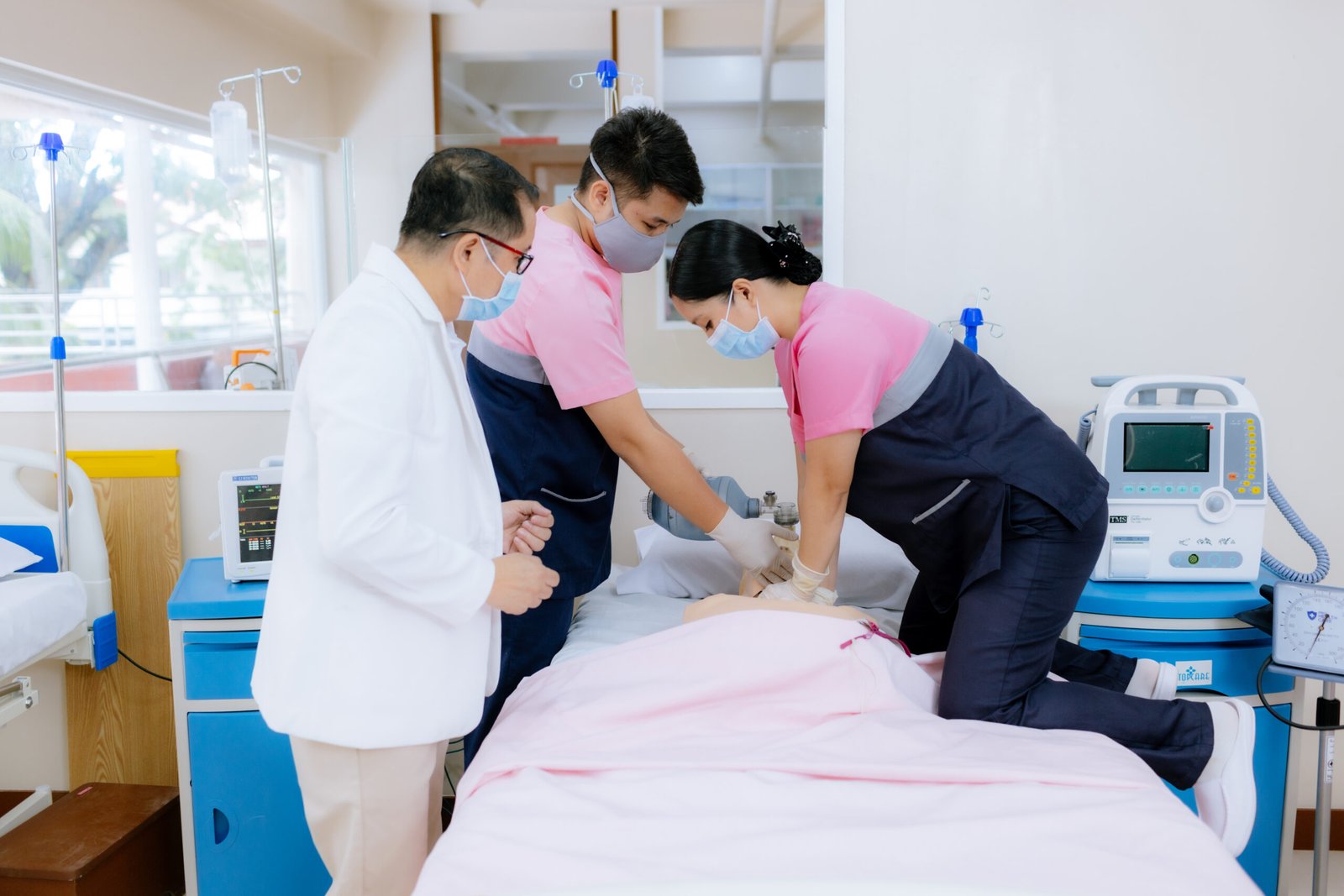
Description: Studies in this area include issues on promotion of health, work-related diseases, chronic illnesses, alternative medicine, rehabilitative care, reproductive health as well the delivery of quality health care services.
Probable Researches: Lifestyle-related diseases; prevention & treatment of infectious diseases; herbal plants and traditional medical practices
Description: Studies in this area will explore financial, human as well as a ‘range of abstract resources including school climate, student commitment & trust, coherence in the curriculum, the stability of the students, teachers, administrators & policies & recruiting appropriate staff & developing expertise needed to achieve goals.
Probable Researches: Financial & Human Resource Management; Organizational Communication; Mechanism of Appropriate Accountability & Coherence; School Culture, School Climate & Change; Key Issues on Employment Selection Process
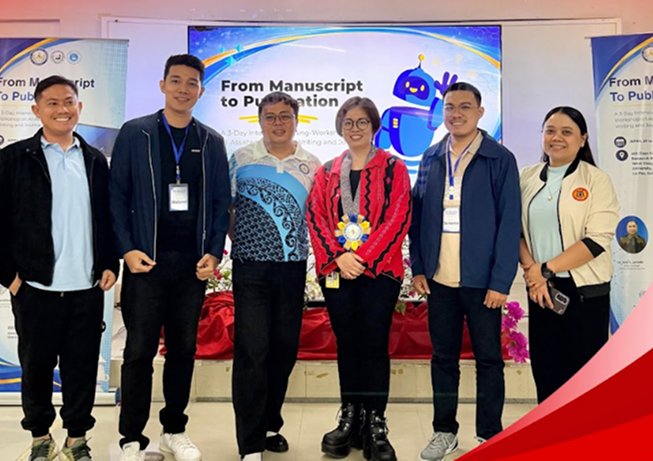

Description: Focuses on studies exploring ways on how effectively technology can enhance institutional operations & services, which may include software and ICT development & applications; Robotics & Automation.
Probable Researches: Development of Application Software; Management of ICTs to facilitate student learning i.e. where appropriate (e.g., podcasts, online material, and other forms of ICT)
Description: Researches that build on the diverse traditions of Negrenses as a people as well as indigenous people in the province.
Probable Researches: Transformation of Indigenous peoples; Intermarriages among the IPs; Changes in the life of Negrenses through time
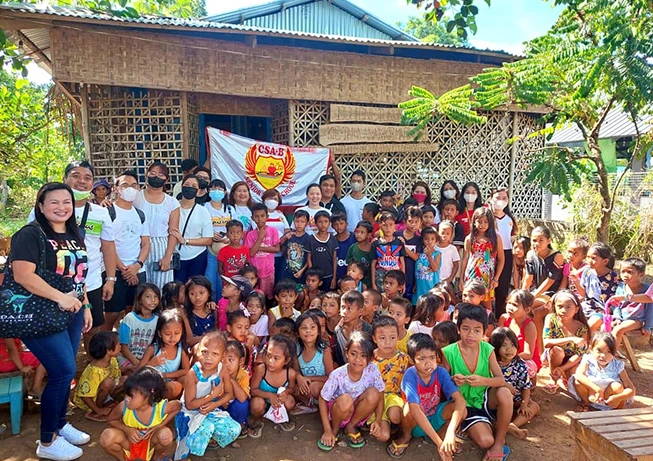
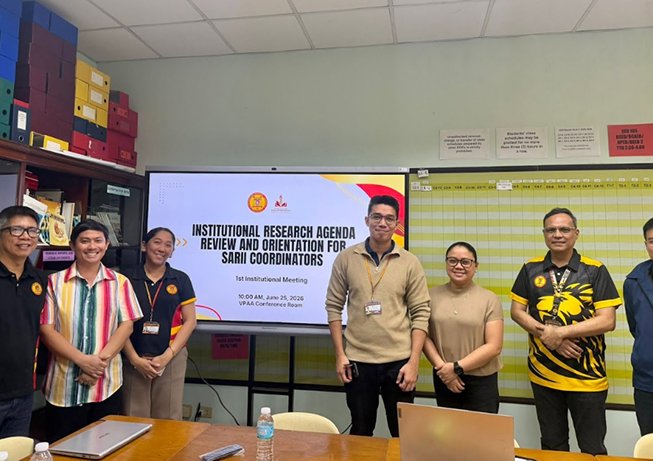
Description: Studies in this area focus on Tourism, Marketing, Networking & establishing linkages for school leverage.
Probable Researches: Safety & Security in Tourism; Responsible Tourism Management; E-Commerce in Tourism; Impact on Tourism on Economy; Advertising Research.
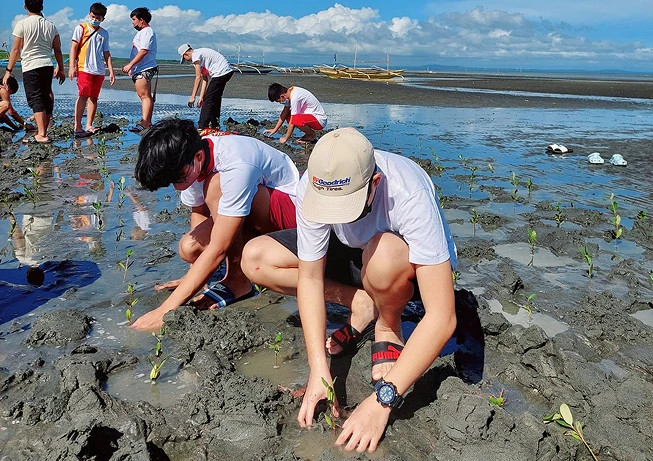
Description: To include researches on Eco-Tourism; Environmental Protection; Resource & Waste Management; & Risk Reduction & Disaster Management
Probable Researches: Environmental Awareness & Behavior; Changes in the Landscape of Negros Occidental.
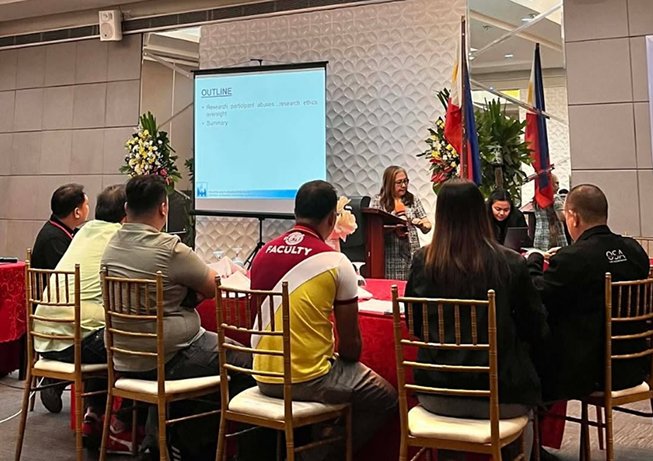
Description: Studies explore on visible gender differences:
different roles, involvements, experiences, opinions & different needs in relation to the different programs, services & opportunities as well as the influence of gender on training, learning & development
Probable Researches: Gender Empowerment; Measures & Analysis; Gender Participation in the Labor Market; Societal Challenges between Gender; Risk Perception & Coping Strategies among Men & Women
Description: Studies in this priority area dwell on programs and projects under the principle of partnership and capability building with the adopted communities which are designed to benefit the latter.
Probable Researches: Community Organizing & Capability Building; Impact Studies of the Key Programs of Community Extension Office; Integration of the Community Outreach Program in Instruction
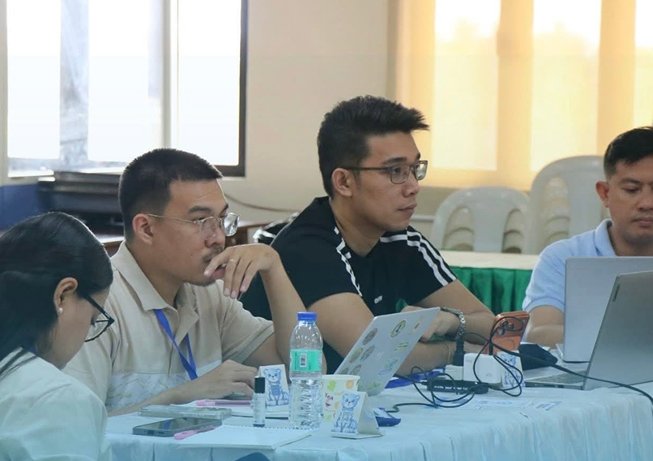
Description: This area includes researches which dwell on developments on the utilization of energy.
Probable Researches: Development/Design of prototypes for photovoltaic, concentrated solar power and those that make use of wind, bio, geothermal, ocean & hydro energy; Energy System Analysis & Evaluation; Promotion of Energy Efficiency; Management of wastes produced from processing renewable energy
Join Colegio San Agustin–Bacolod in building a community of excellence, values, and global-ready graduates through quality education and holistic formation.
The Institutional Research Agenda serves as the strategic framework that guides the Colegio San Agustin-Bacolod’s research directions, priorities, and investments toward generating knowledge that is transformative, socially responsive, and aligned with national and global development goals. As an Augustinian academic community committed to the pursuit of veritas, unitas, and caritas, the institution recognizes research as a vital expression of its mission to form compassionate leaders, advance societal well-being, and contribute meaningfully to nation-building.
Grounded in evidence-based planning and extensive consultations with academic units, Research Institutes, external partners, and community stakeholders, this Agenda integrates multiple layers of alignment: the Sustainable Development Goals (SDGs), the Philippine Development Plan (PDP) 2023-2028, AmBisyon Natin 2040, CHED policies and higher education priorities, and the school’s own Vision-Mission and Strategic Directions. Through this integrated approach, the school ensures that its research enterprise not only advances disciplinary knowledge but also addresses urgent societal challenges, supports inclusive growth, protects the environment, and uplifts human dignity.
The Agenda is organized into eight (8) multidisciplinary Research Clusters that provide a coherent structure for institutional programs, faculty research, student projects, and community-engaged scholarship. These clusters serve as platforms for collaboration across colleges and institutes, fostering synergy, innovation, and a shared commitment to excellence in research and development. Each cluster articulates key focus areas that guide resource allocation, capacity-building, research ethics, and partnerships with government, industry, and communities.
This Institutional Research Agenda affirms CSA-B’s dedication to building a vibrant research culture – one that nurtures inquiry, creativity, ethical leadership, and scientific rigor while ensuring that knowledge produced within the institution contributes to a just, humane, and sustainable society.
1
Faith, Values, and Ethics
This cluster promotes research that strengthens moral development, character formation, ethical leadership, and values-based decision-making grounded in faith traditions. It supports CHED’s mandate on core values formation, NHERA’s culture and ethics research, and contributes to AmBisyon’s vision of a “matatag, may malasakit” society.
2
Inclusive Education and Lifelong Learning
This cluster advances research that enhances quality, access, and equity in education through innovative and learner-centered strategies. It aligns with CHED’s OBE and flexible learning reforms, PDP commitments to human capital development, and SDG goals on quality education.
3
Health and Well-Being
Focused on holistic and community-centered health outcomes, this cluster explores physical, mental, and social well-being. It supports CHED health science CMOs, NHERA’s health priorities, and the PDP’s health system strengthening agenda.
4
Sustainable and Resilient Communities
This cluster targets research that promotes community resilience, disaster preparedness, climate adaptation, and sustainable development. It supports CHED’s DRR-CCA policies, SDG 11 & 13, and PDP strategies on climate-resilient communities.
5
Cultural Preservation and Creativity
This cluster strengthens research on cultural heritage, indigenous knowledge, creative industries, and arts-based learning. It aligns with CHED’s culture-based education mandates and contributes to national identity formation and cultural continuity.
6
Economic Empowerment and Technological Innovation
This cluster supports innovation, inclusive economic growth, and industry readiness through research in business, technology, and entrepreneurship. It aligns with CHED’s HEIF, PDP’s economic transformation agenda, SDG 8, and Industry 4.0 capacity-building.
7
Environmental Sustainability and Resource Management
This cluster promotes the protection, conservation, and sustainable use of natural resources. It aligns with environmental CMOs, SDG 14 & 15, and national priorities for ecological balance and climate action.
8
Peace, Human Rights, and Good Governance
This cluster fosters research that supports peacebuilding, social justice, human rights protection, and transparent governance. It aligns with CHED’s NSTP mandate, NHERA governance priorities, and SDG 16.