To holistically improve the marginalized sectors of the community, as inspired by Christ’s teaching in the gospel and St. Augustine’s ideals, in collaboration with the concerned CSA-B units and personnel, together with partner communities in improving people’s quality of life through the sharing of Augustinian expertise and resources, and through sustainable development programs.
The goal of CSA-B CEP office is the development of empowered, self-reliant, accountable, and sustainable community. The partnership of Colegio San Agustin-Bacolod with different communities aims to (1) provide venue for the Augustinian formation of the students, faculty, personnel, and the whole stakeholders of the educative community, (2) provide holistic human formation including partner community/ies, thereby strengthening Filipino Christian family life, (3) ensure optimum participation and involvement of the school community per area of expertise as concrete manifestation of Augustinian core values and solidarity, (4) cultivate environmentally-friendly community, (5) enhance community resources towards sustainable development, and (6) establish and strengthen linkages with various organizations/institutions towards effective and efficient delivery of community service.
Every person has a social responsibility of his neighbors’ welfare, thus, the CSA-B Community Extension Program Office implements programs guided by the following principles: (1) Partnership – People in the community are partners of this institution, thus, both share the same responsibility towards the community development, (2) Participatory – Every member in the community takes part as an agent of change in transforming the lives of every community partner which is strongly inculcated with the Augustinian values of caritas, unitas and veritas, working towards social transformation, (3) Accountability – The sense of ownership and responsibility of every community member through constant monitoring and evaluation to ensure sustainability, (4) Solidarity – A unified community means gathering of strength and capacity to resolve problems and improve a community, (5) Sustainability – The capacity of the community people maintain development and endure any problems with ongoing progress as individuals and as a community through continuous innovation while guarding ones environment, and (6) Empowerment – People understanding and knowing their capacity and rights enabling them to foster confidence, influence community decision-making and work for the improvement of the community.
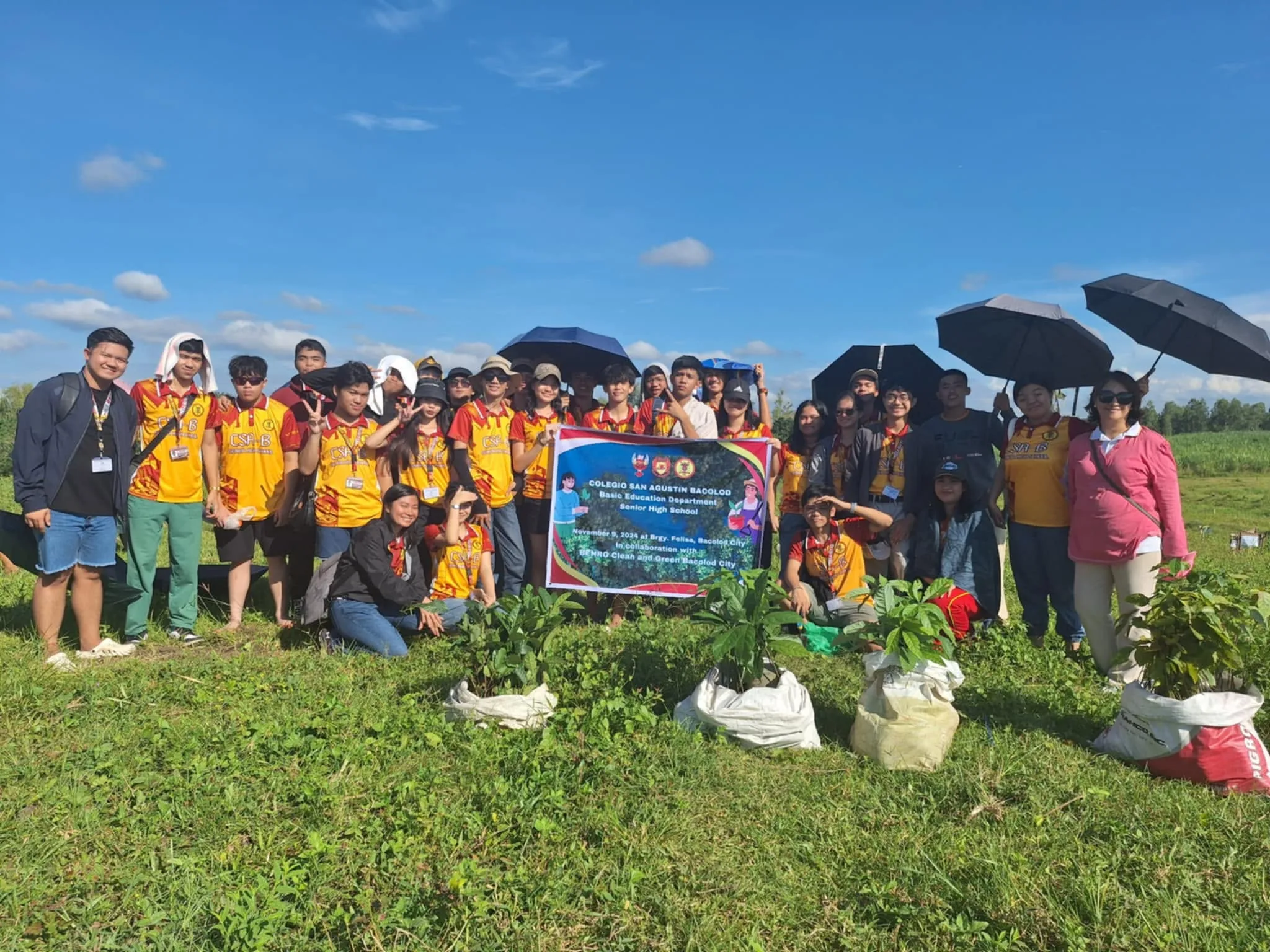
Colegio San Agustin-Bacolod has collaborated with several communities in and around Bacolod City, as well as Bago City. Simultaneously, the Augustinian institution provided a variety of services to the various government schools (pre-school, grade school, junior high school) in Negros Occidental (Bacolod City, Bago City, EB Magalona). It has assisted in environmental protection through mangrove growing project at Purok Calubay, Brgy. Sampinit, Bago City, in collaboration with PANGGAS of the Caritas Foundation Bacolod, Diocese of Bacolod and the Bago City Environment Management Office (CEMO) with Bantay Katunggan. Tree growing activities were done at San Agustin Center for Spirituality in Don Salvador Benedicto, Neg. Occ. It was launched in June 2019 with the goal of maximizing the area to become an Eco-Park soon, and mostly fruit bearing trees were planted. Various institutions for abandoned children, the elderly, and people deprived of their liberty were also assisted.
Thus, with the continuous effort of CSA-B to spread its mission in evangelizing the community people, Augustinian assist community by organizing and assisting them towards holistic human formation and sustainable development. Therefore, the Augustinians continually work to assist communities by partnering Purok Villagracia, Brgy. Bata, Bacolod City. This is another step that CSA-B takes to be of service not only to its students but to the bigger community. Services delivered involve students, faculty, personnel, and all other stakeholders to truly inculcate Augustinian values and model how to truly live as an Augustinian. A person who is restless searching for knowledge but strongly anchored with Augustinian values willing to be of service to people especially in need.
This partnership aims to organize and assist the community towards sustainable development. In every partnership, CSA-B stays with the partner community for 3-4 years, unless needed for another year’s extension if needed. Within this period, various programs/projects/activities are implemented in line with the vision and mission of the office and of CSA-B which are classified according to the five thrust programs of CEPO for the holistic formation of the people in the partner community with the help of the students, faculty, personnel, and all other stakeholders of CSA-B.
It is through these programs that Augustinians can share available resources to uplift the lives of the community people. The programs are as follows:
I. FAVA – Formation and Volunteers’ Advocacy
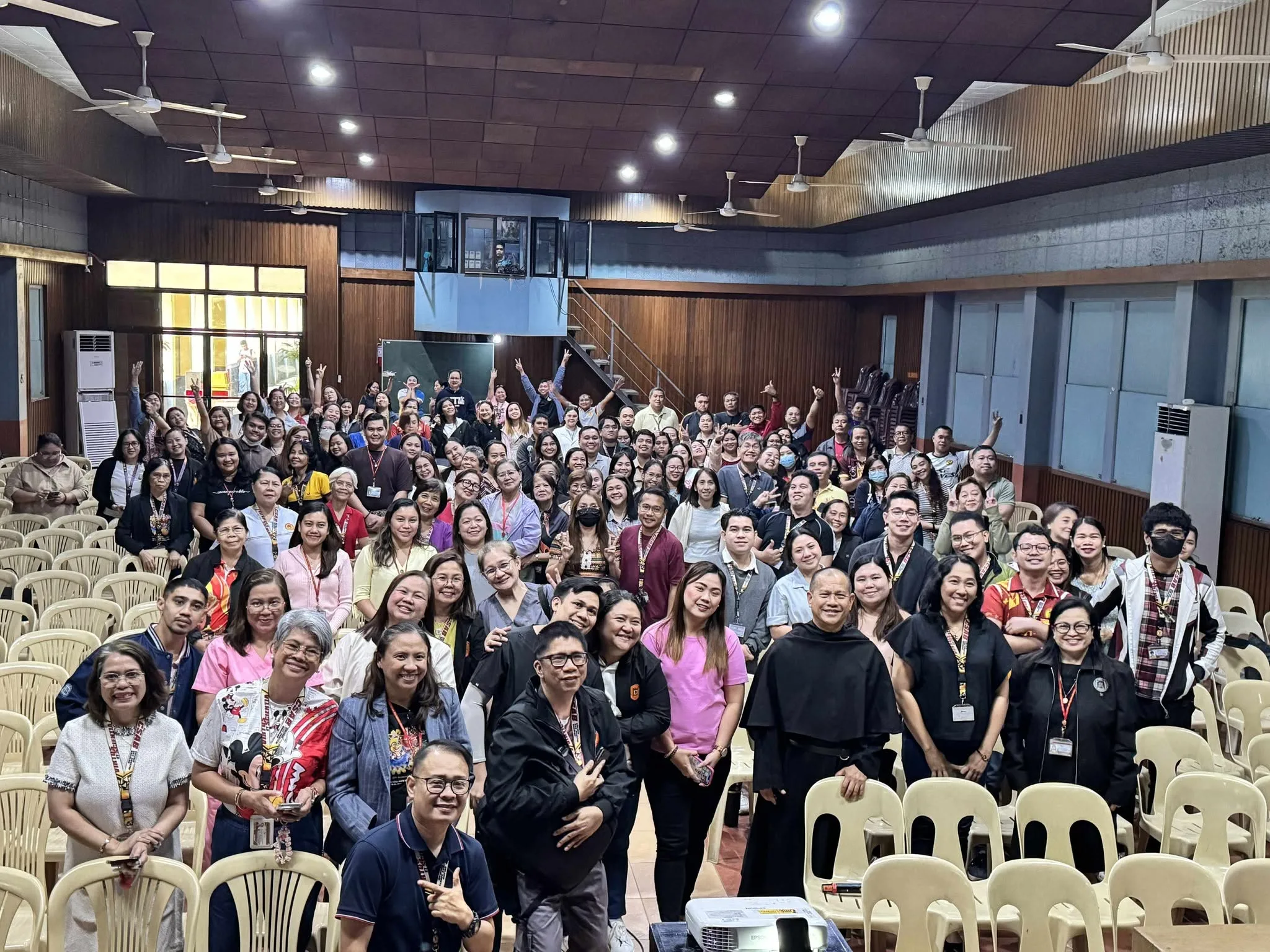
This advocacy focuses on creating and supporting organized groups of individuals who volunteer their time, skills, and resources to promote initiatives. This is aimed at promoting the importance of volunteerism and the benefits it provides to both volunteers and the communities they serve. The goal of formation and volunteer advocacy is to encourage greater volunteer engagement and assist the development of more effective and sustainable programs/projects/activities.
II. LEAD – Literacy and Education Advocacy
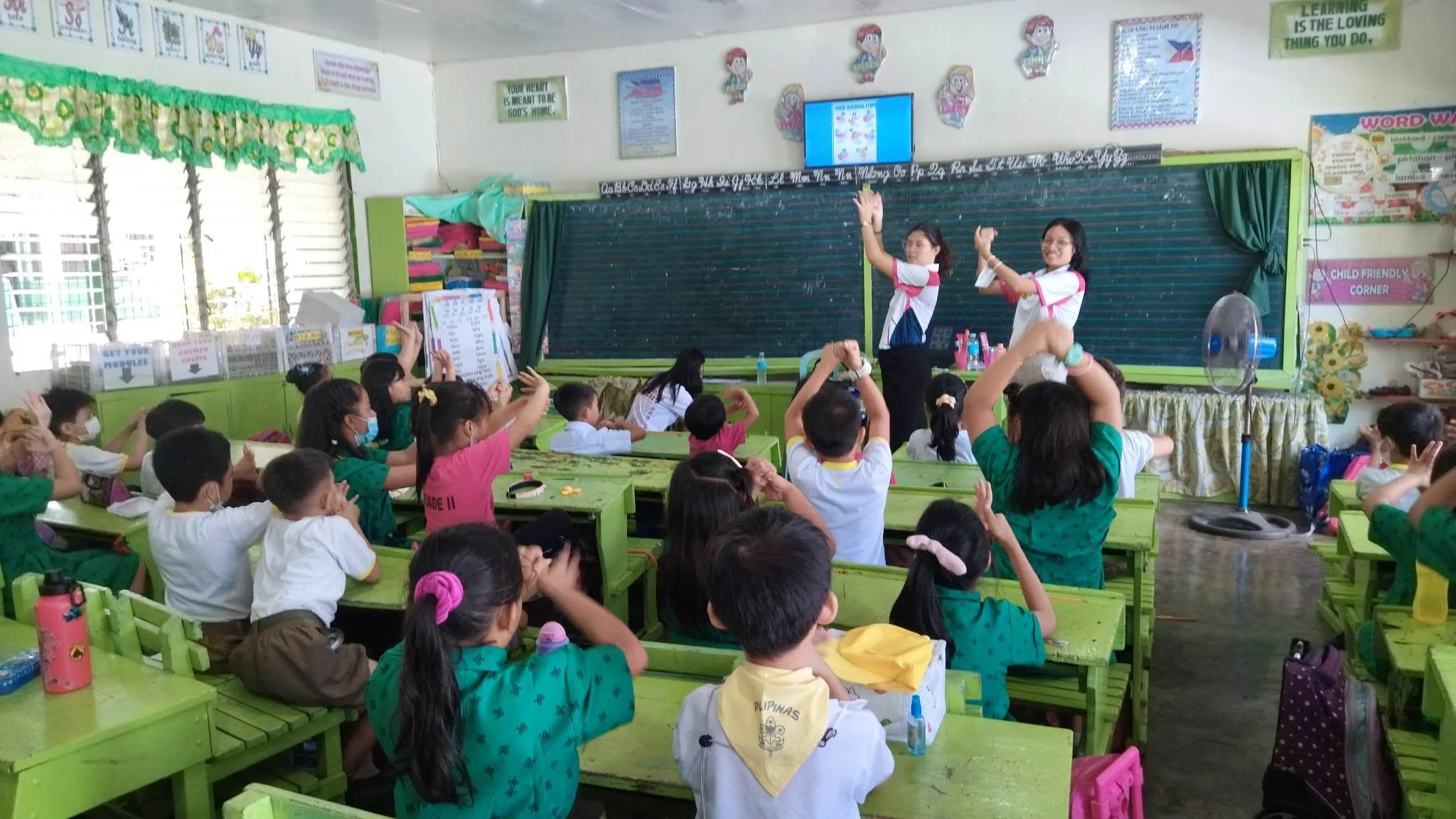
One of the advocacy programs focuses on improving literacy in partner communities and schools, particularly among children. This advocacy aims to enhance pupils’ learning capacity. Increasing the children’s knowledge will broaden their understanding of the environment, life, and society. CSA-B has collaborated with various government pre-schools, elementary schools, and high schools. The literacy program/project of CSA-B promotes the significance and importance of education at the community level. Students and residents who are eager to learn are given the opportunity to explore new information that will open their minds and help them improve their lives.
III. CHiFA – Children and Family Advocacy
The common adage states that “the family is the smallest and most basic part of a community”. Therefore, a community is consisting of families who have a strong faith and strive to create a harmonious and developing community with Christ at the heart of their existence. Because this is a values-laden community, concern for others is readily given. This will foster a community that is concerned with the well-being of others and avoids selfish actions that will harm others.
This can be achieved when the community people constantly evangelize and impart the church’s teachings. Thus, CSA-B identify the great need to strengthen the spiritual life of the community people through catechism, regular Eucharistic mass celebration, and developing a sense of devotion to Mother Mary through rosary prayer. People need to understand their faith to strongly profess it and stand by it. This is where the Augustinians have difficulty since it might have a greater impact not just on their spirituality but also on the holistic formation of the individual and community.
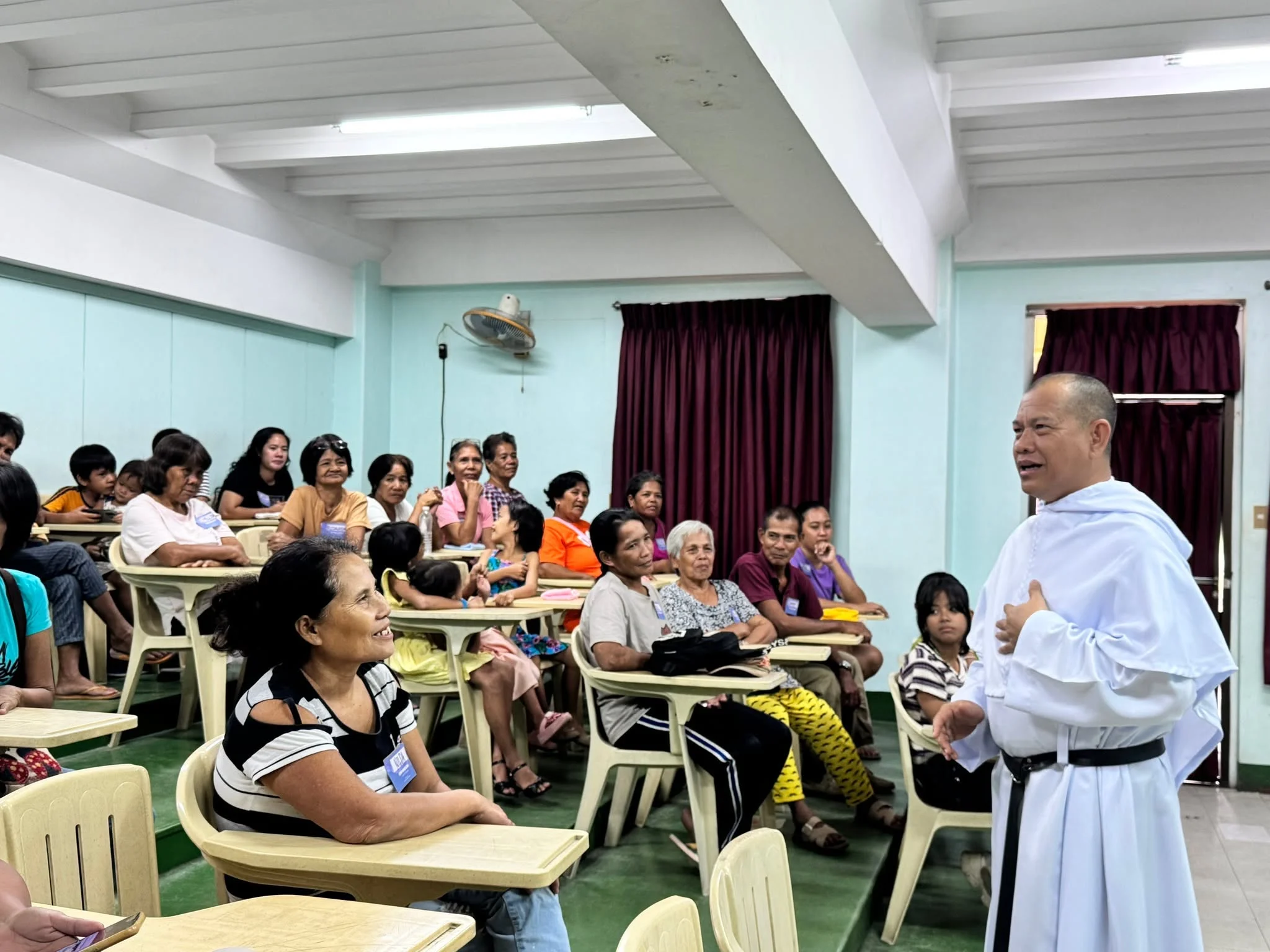
Activities for Children and Family Advocacy are as follows:
IV. PALA – Poverty Alleviation and Livelihood Advocacy
Every person earns a living to meet his/her basic needs to survive in his/her daily life. A person can earn if he/she works using his/her skills, resources, and mental capacity. Once a person knows how to earn a living, one develops independence and sustainability because one has the capacity to gain resources and improve his/her life.
Understanding the basic precept of living and surviving, every person or family therefore must have a source of income to decently live their lives. This is a life wherein their basic needs are met to survive and live their lives. Thus, one of the programs of CSA-B is poverty alleviation/livelihood program. This must be met because this can affect other aspects of human life such as health, family, environment, education and so many others. It is good to help people, but CSA-B ensures that people involved truly grow and learn the skills of earning a living.
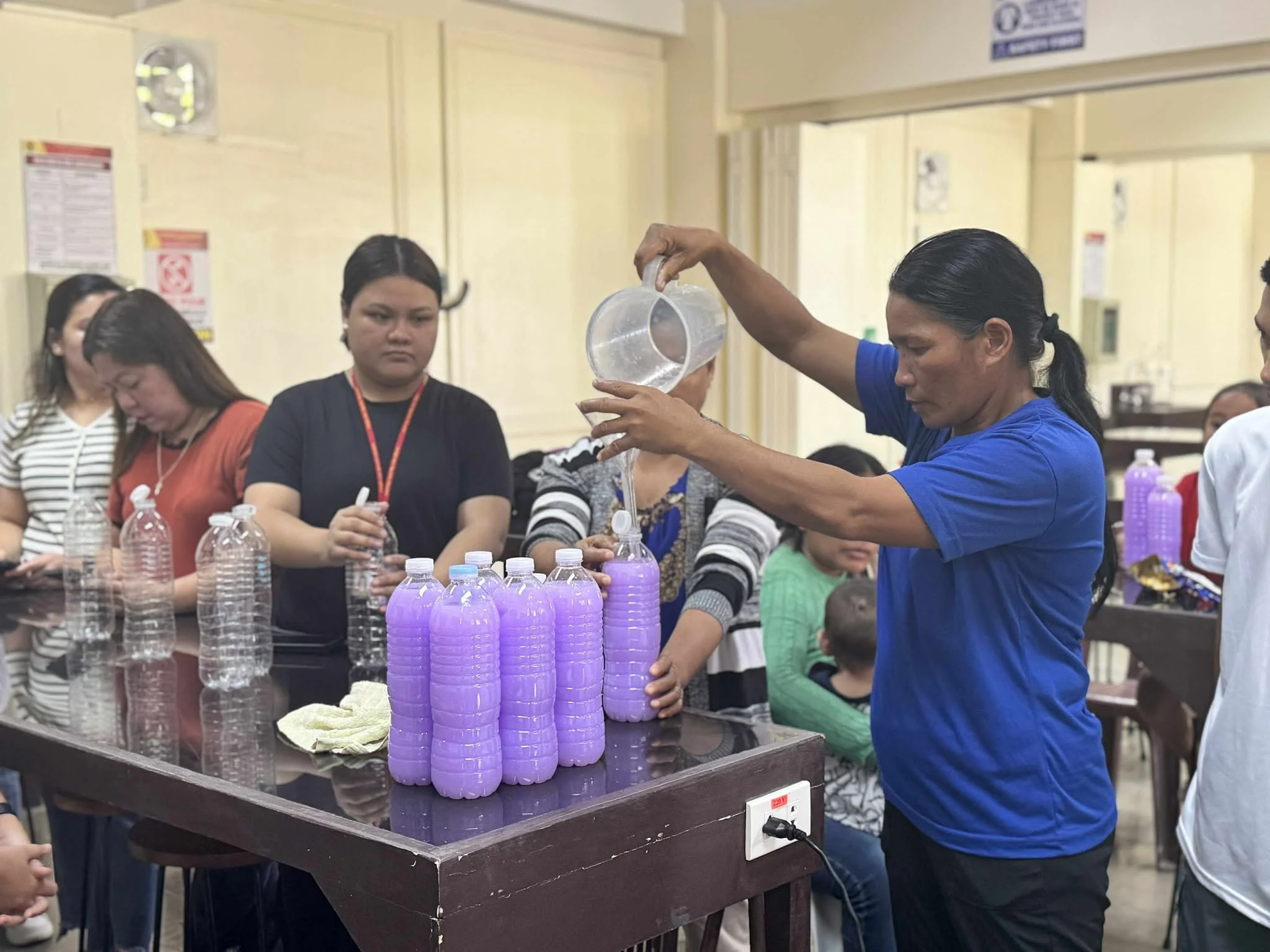
As the bible says, “teach a man how to fish and do not give him a fish”. This is also one of the guiding principles that CSA-B practices, thus, dole-outs and freebies are not readily given except for special occasions like Christmas. CSA-B does not provide everything without any counterpart or effort from the partner community. This is important in all projects of CSA-B, accountability, responsibility, ownership, and counterpart. These are four things that need to be developed by the partner community for this to ensure sustainability of the project.
The livelihood project of CSA-B’s partner community is dependent on the needs assessment or data analysis gathered from the community. This process allows participation and empowerment of the people that will later develop the four characteristics that can lead to sustainability. It is important that the community is the one who identifies their livelihood project for them to better understand the available resources and needs of their community. Thus, livelihood programs may range from skills training (e.g., welding, cooking, sewing/tailoring), business/enterprise development, and other technical assistance that may be needed by the community.
Therefore, every person joining the livelihood project must be empowered, accountable, and responsible and ready to share his/her resources (e.g. time, effort, skills). The person must be able to commit oneself for this project is a long-term one.
V. HERDA – Health, Environment, and Resilience Development Advocacy
It is important to maintain wellness and good health in every individual for this will ensure high productivity among the working group and better performance in school among students. When good health of the community is maintained, people will be in better status, reducing the possible cases of diseases and mortality. Thus, CSA-B gives emphasis on promoting good health and preventing diseases. When acquiring a disease is inevitable, then cure and rehabilitation are important.
Based on the encyclical writing of the Pope Francis “Laudato Si”, there is great need for humanity to restore, protect and preserve the environment. The gradual degradation of the environment and the effects that the whole world experiences are urgent calls that everybody must do their share. The present environment needs a lot of care, preservation, and conservation. The work needed to be done expands from water to land to the air and from ridge to reef. This is how serious environmental issues are that calls for active participation of everyone especially academic institution where young minds are formed and influence. There are several activities activities/projects undertaken by the educative community to contribute to the saving of the environment and to minimize the damage that it currently endures. Man cannot live without the environment, but the environment can survive without man based on some expressed quotes. It is vivid in the surroundings especially in terms of disaster events. CSA-B recognizes the importance and role of the environment to the survival of man but at the same time recognizes the harmful actions of man towards the environment.